
GUIDE
Thermography Printing
Thermography creates raised print by applying resin powder to wet ink and fusing it with heat. The result is glossy, tactile and distinct from embossing or hot foil.

WET INK
Resin powder adheres only where the printed ink remains receptive.
HEAT FUSED
Controlled heat melts and fuses the resin into a raised image.
SURFACE EFFECT
The relief sits above the paper rather than reshaping it from below.
HOW IT WORKS
Printed ink becomes the foundation for relief.
The selected image is first printed with an ink suitable for the thermographic process. While that ink is still receptive, a resinous powder is distributed across the sheet and adheres to the printed areas.
The excess powder is removed and the sheet passes through controlled heat. The resin fuses into a smooth raised film that follows the shape of the underlying ink. It is the resin—not the ink itself—that forms the characteristic relief.
Paper, ink, powder, coverage and heat response must be balanced. Available colours, sides and combinations therefore depend on the actual production specification rather than on universal restrictions.
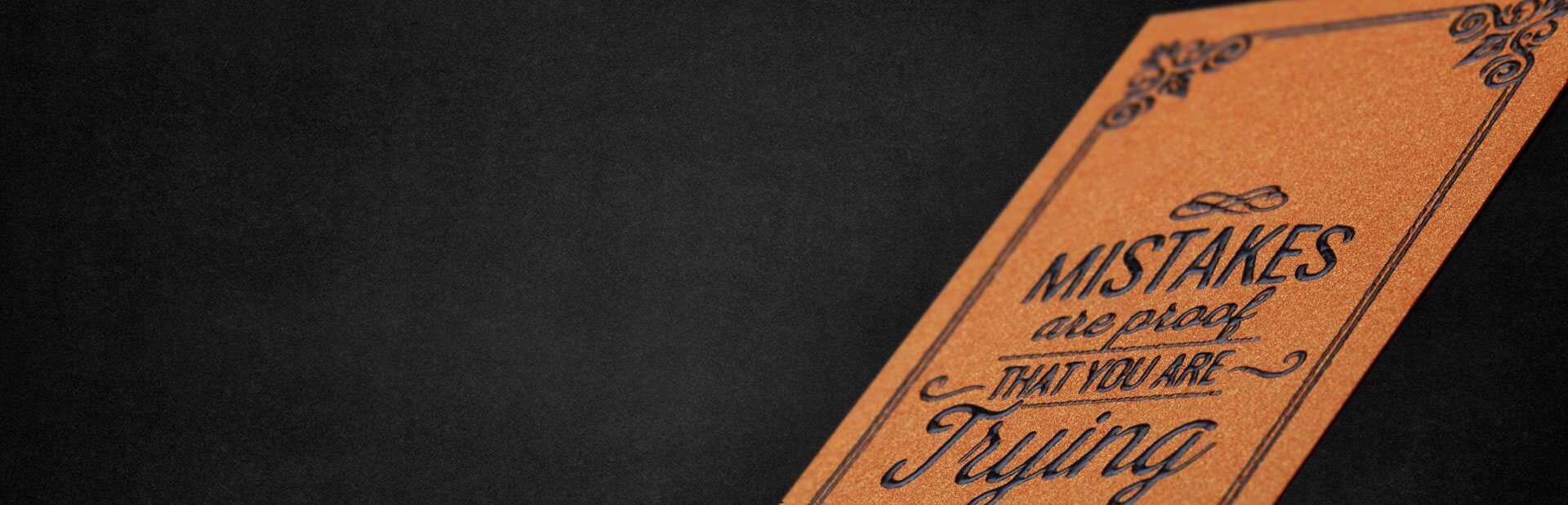
WHAT IT CHANGES
Gloss and height carried by print.
Thermography follows the printed shape but gives it a rounded tactile profile.
01
Raised lettering
Type and line work gain a smooth elevation above the sheet without requiring an embossing counterforce.
02
Colour beneath relief
The printed ink contributes to the appearance of the fused image, so colour and resin are specified as one result.
03
A distinct character
The rounded gloss is visibly different from a pressed impression, a raised emboss or the reflective layer of hot foil.
WHEN TO USE IT
Best when printed colour should rise.
Thermography suits names, monograms, borders and line-based graphics that benefit from a glossy raised profile. It can introduce tactile detail without changing the reverse in the same way as a deep pressed relief.
Large solids, very fine reverses and closely spaced detail do not necessarily fuse with equal clarity. The artwork should be assessed for the way powder gathers and flows under heat.
CONSIDER BEFORE CHOOSING
- The paper and previous print must tolerate the selected heat cycle.
- Very fine detail and large coverage require different production control.
- Two-sided work and combinations with embossing or foil need sequence planning.
- Colour and relief should be approved as a physical result, not from screen alone.
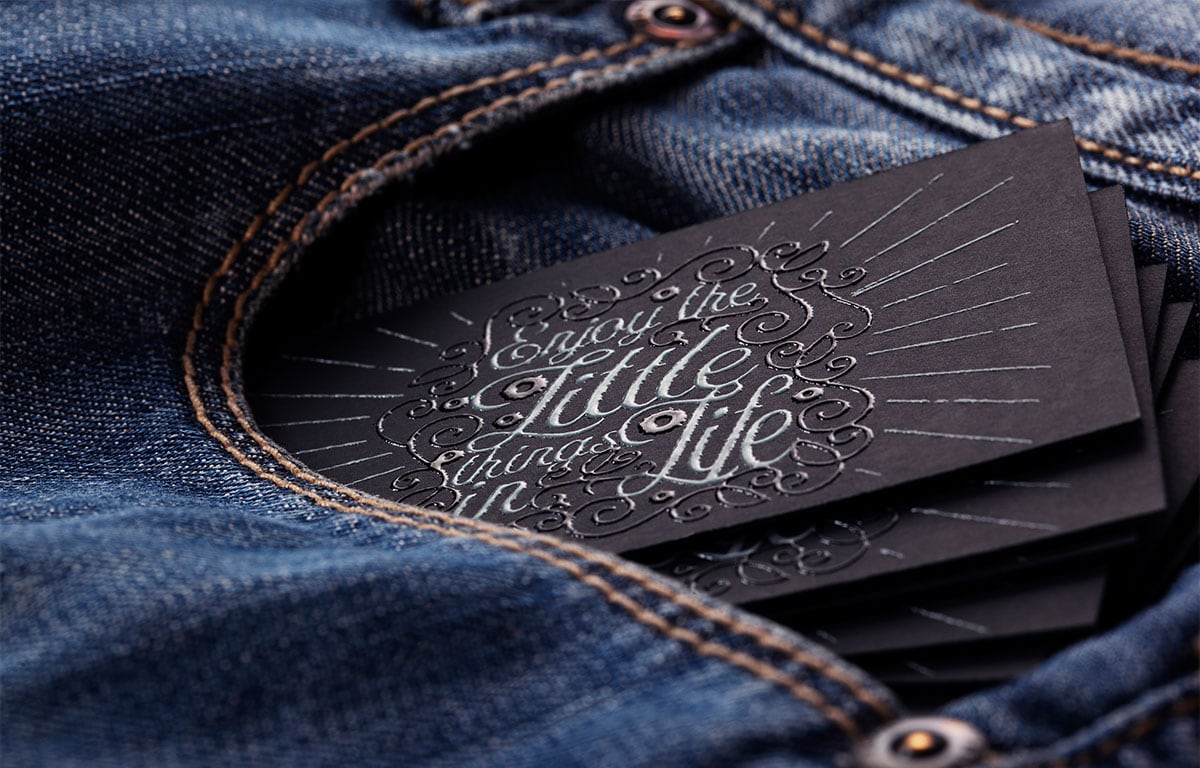
ARTWORK PREPARATION
Prepare a clear solid image for the raised print.
Supply thermographic elements as clean vector shapes in a named spot-colour layer. Keep the intended raised image distinct from ordinary flat printing in the file.
Avoid relying on tiny reversed detail, hairlines or photographic shading without review. Include bleed and safe areas normally, and show any required alignment with embossing, foil or other finishes.
FINISHED WORK
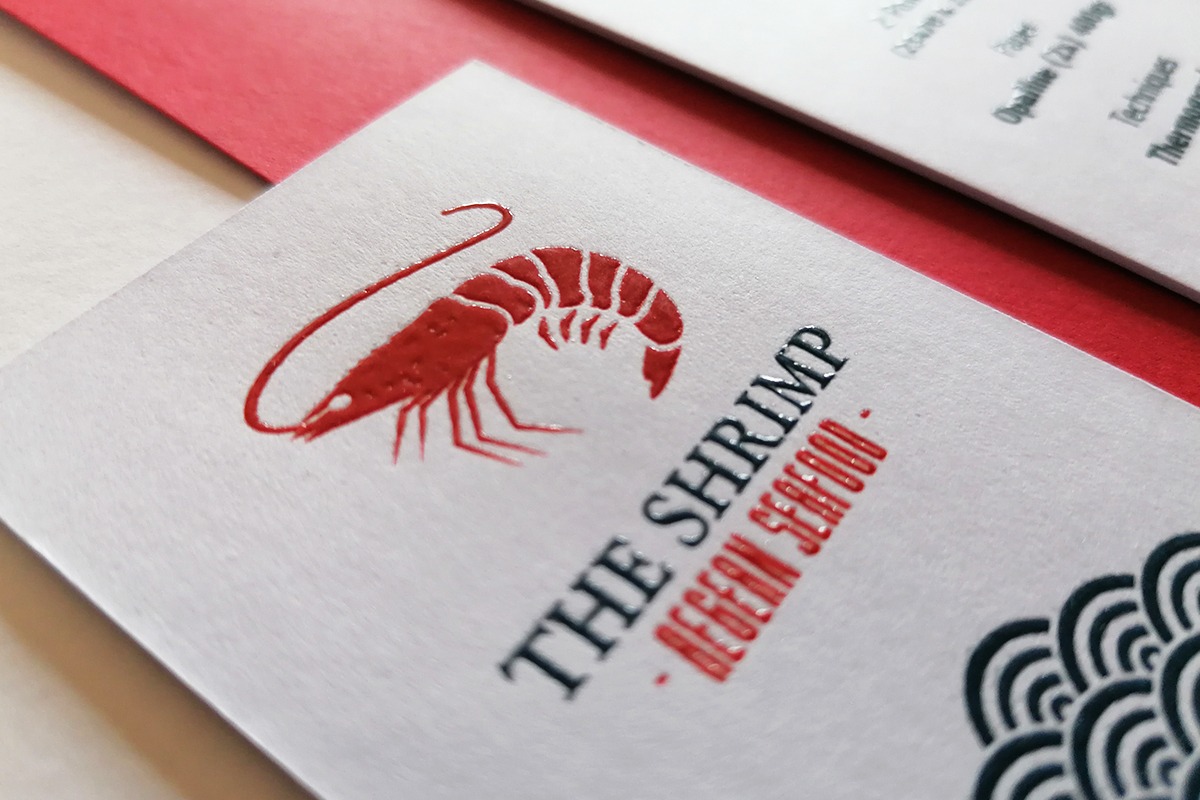
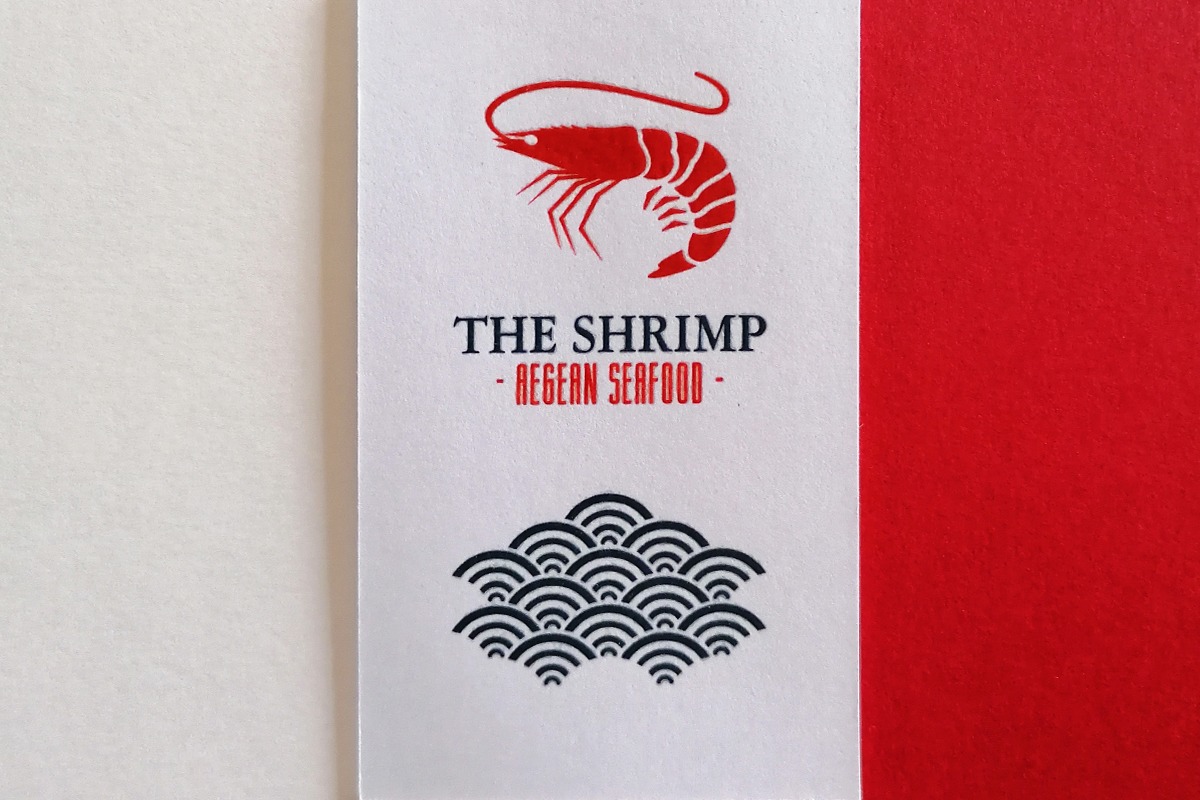
Raised print with its own visual language.
Paper colour and nearby finishes can make thermography feel restrained, decorative or strongly graphic.

CHOOSE YOUR ROUTE
Move from understanding to choosing.
Use the collection or selector for established options. Expert Recommendation is for artwork that needs the paper, process or construction narrowed first.
COLLECTION
Explore Luxury Business Cards
See the current papers and specialist finishes, then ask us to confirm thermography for the intended combination.
EXPERT RECOMMENDATION
Check heat, paper and detail together
Send the artwork and desired raised colour. We will assess the paper, coverage and complete finishing sequence.
THE LUXURY SAMPLE PACK
Raised print needs a side view.
Use the Sample Pack to compare thermography with letterpress, embossing, Spot UV and hot foil.