
GUIDE
Velvet-Finish Paper
In this guide, velvet refers to a smooth coated paper used for clear full-colour reproduction. It is not a fabric-like paper, and it is not the same thing as adding a soft-touch laminate.
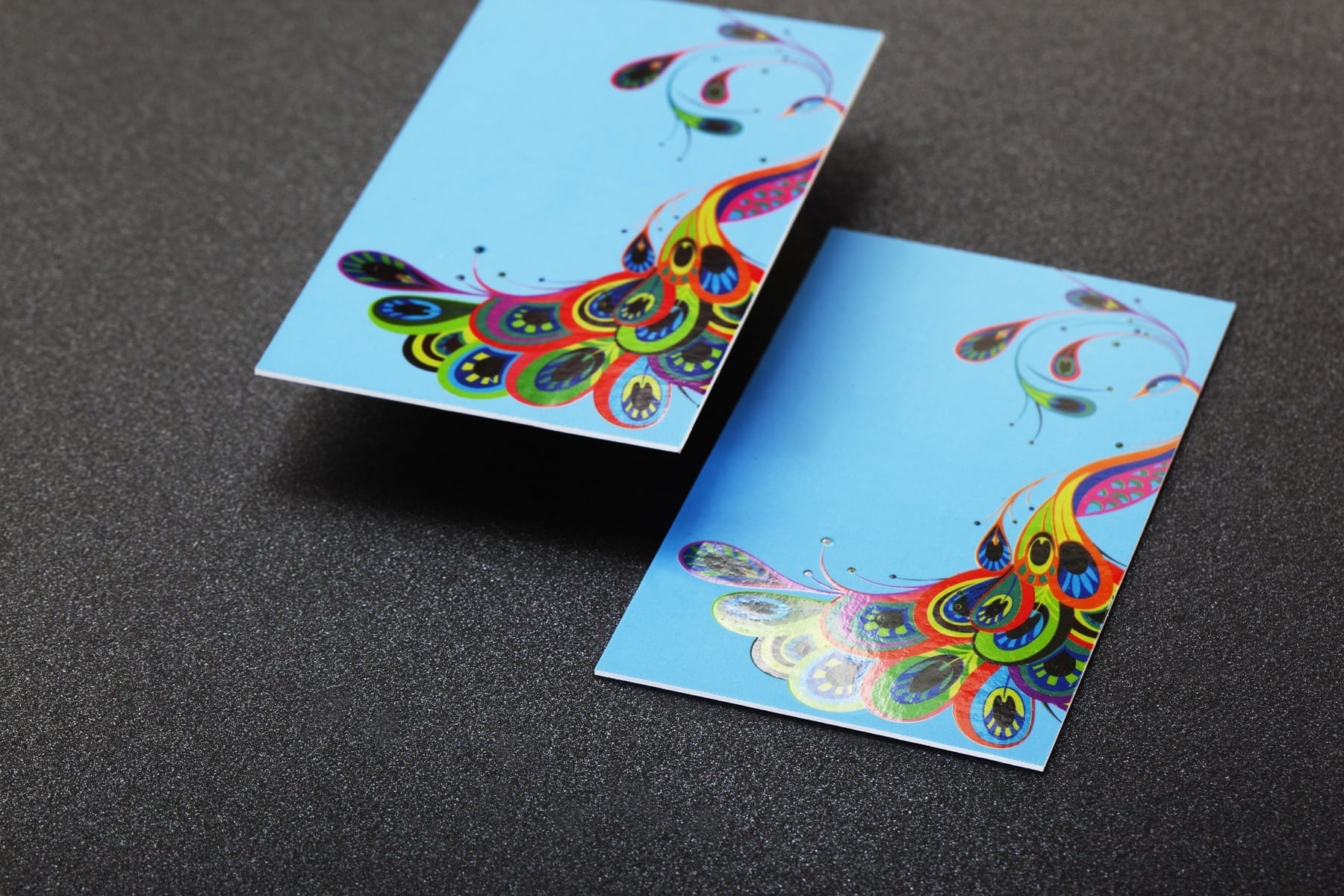
COATED SURFACE
The smooth face controls ink absorption and supports image detail.
NOT LAMINATION
The paper surface exists before any optional film is added.
SPECIFY EXACTLY
Velvet is an imprecise trade name; stock and weight must be confirmed.
WHAT THE NAME MEANS
A smooth paper, not a universal specification.
Paper names such as velvet are used differently across suppliers. Here, the term describes a coated graphic paper with a smooth, low-glare feel and good full-colour reproduction.
The coating reduces how deeply ink penetrates the fibres, helping images and fine printed detail remain clear at the surface. That built-in coating is different from a separate soft-touch film laminated onto an already printed sheet.
Because the name alone does not identify a manufacturer, weight or coating formulation, the exact stock must be stated in a quotation or product specification before its availability and finishing compatibility can be relied upon.

WHAT IT CHANGES
Clear colour on a calm surface.
A smooth coated board is usually chosen for image reproduction first; tactile additions come later if the design needs them.
01
Image clarity
A controlled coated surface can hold fine halftone and photographic detail more cleanly than a highly absorbent uncoated stock.
02
Balanced reflection
The surface can feel smoother and less glossy than a high-gloss coated sheet while still supporting vivid printed colour.
03
A finishing base
Lamination, Spot UV and other processes may be possible, but compatibility belongs to the exact stock and production system.
WHEN TO USE IT
Best when full colour leads the design.
A smooth coated board suits photography, gradients, illustrated identities and fine CMYK detail. It can be used alone or as the outer face of a thicker bonded construction.
If the design is primarily about natural fibre, deep letterpress or an uncoated tactile surface, another paper may express the idea more directly. Premium does not mean adding every possible finish.
CONSIDER BEFORE CHOOSING
- Confirm the manufacturer, weight and surface—not only the word velvet.
- The paper is distinct from velvet or soft-touch lamination.
- Deep pressure and heat-based finishes need stock-specific testing.
- A duplex or triplex build can add thickness without changing the printable outer face.
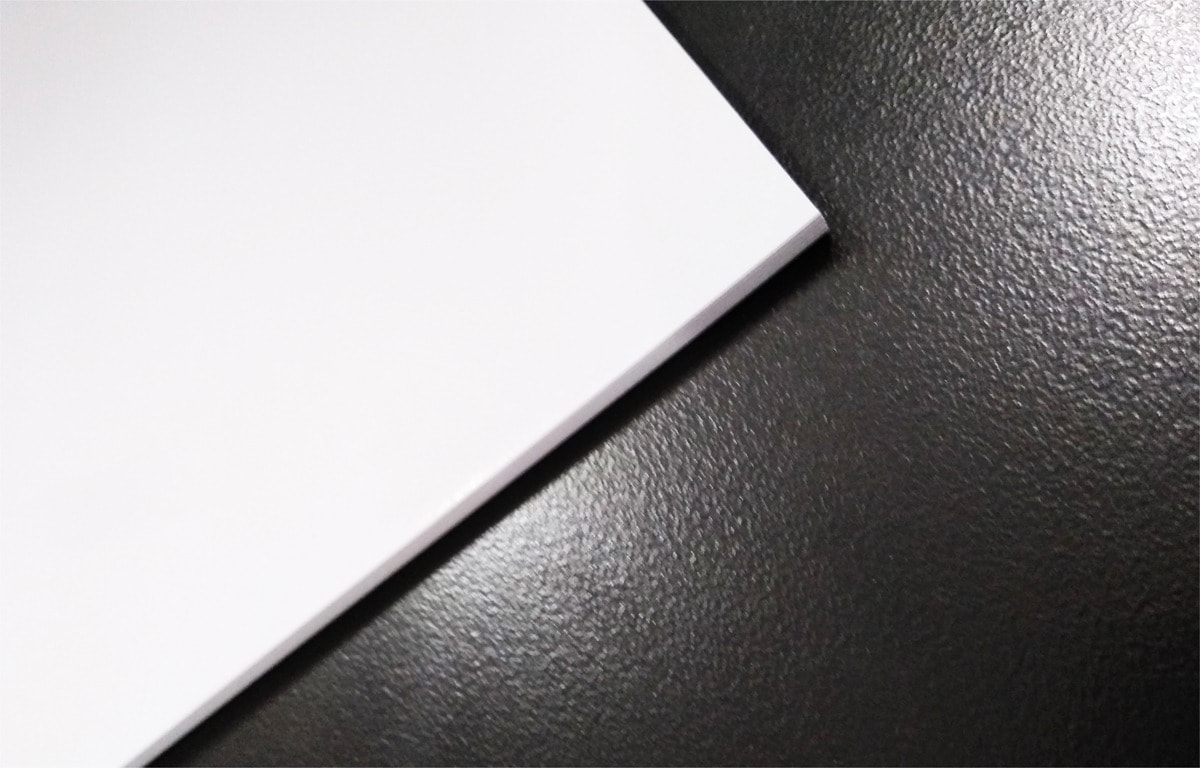
ARTWORK PREPARATION
Prepare colour for the final surface.
Supply photographs at effective print resolution, include the required bleed and keep important content inside the safe area. Use the intended CMYK profile or ask us before converting colour.
Place Spot UV, foil, embossing or other selective finishes on separate named layers. If the paper will be laminated or bonded, identify that construction so colour and finishing are reviewed together.
FINISHED WORK
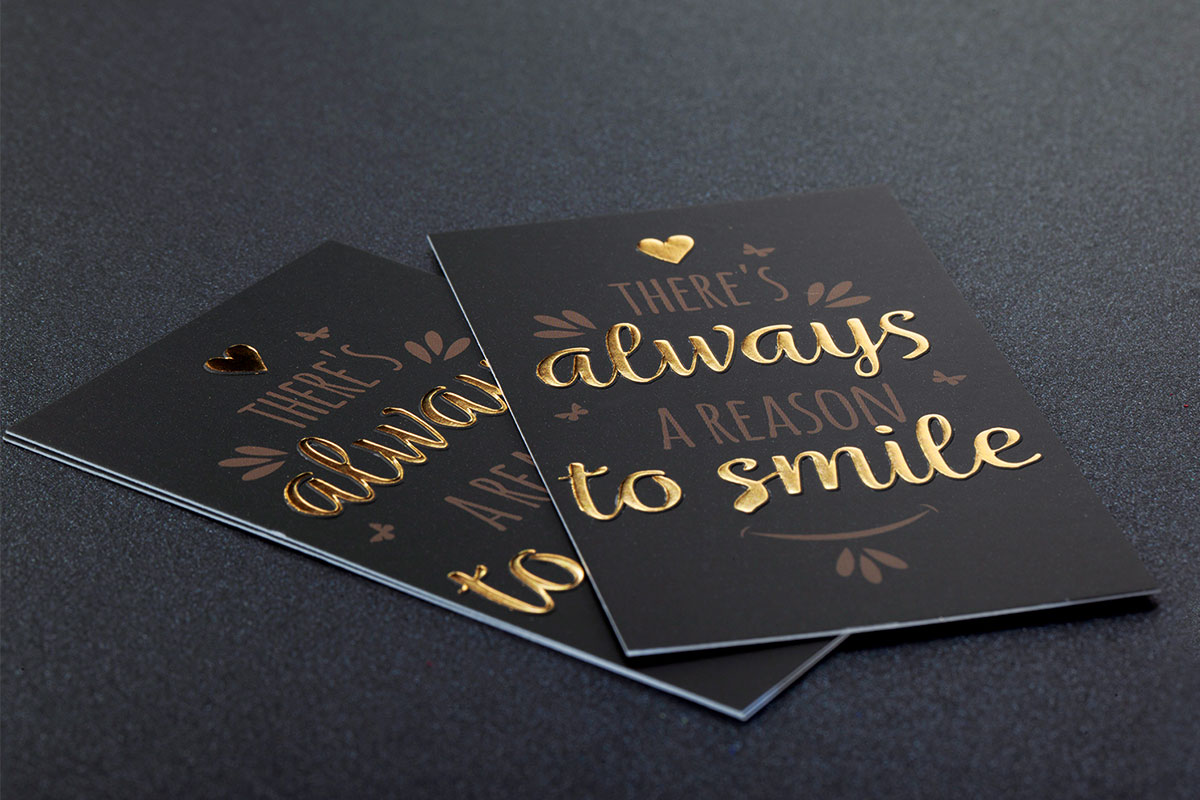
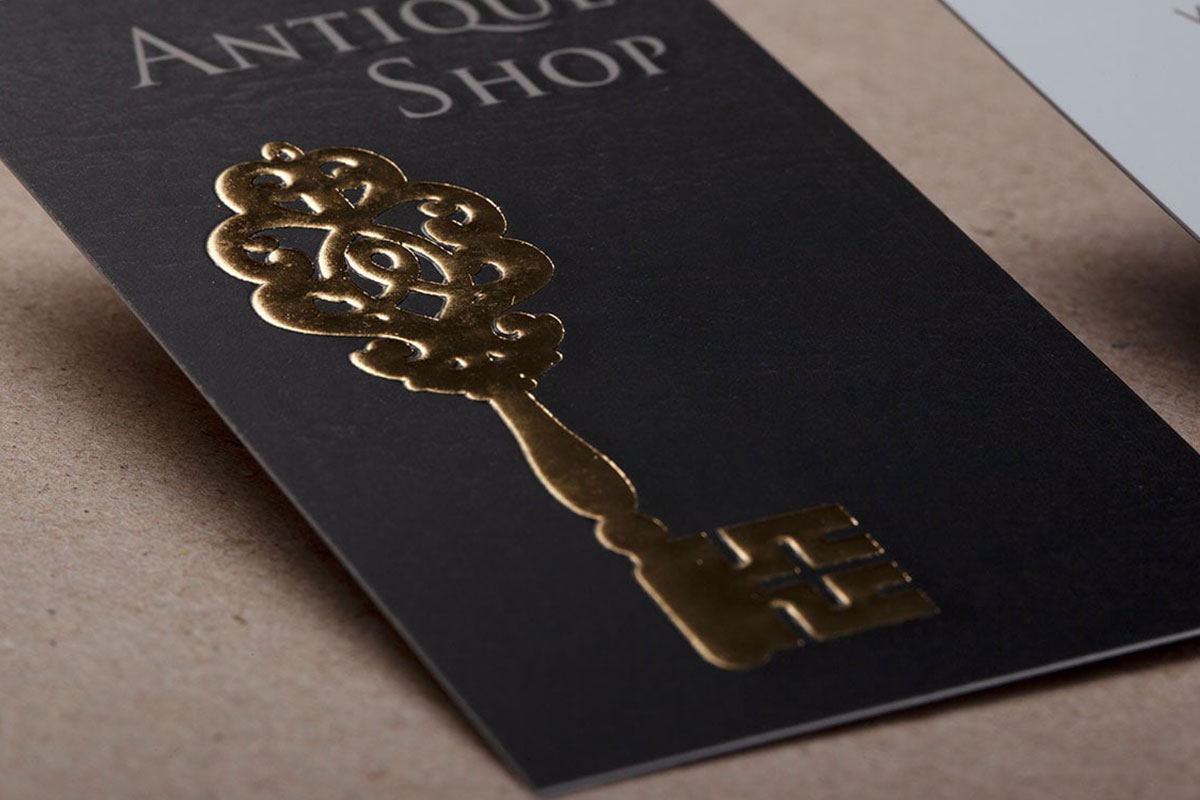
A versatile face for printed colour.
The surface can remain understated or become the foundation for more graphic contrast.

CHOOSE YOUR ROUTE
Move from understanding to choosing.
Use the collection or selector for established options. Expert Recommendation is for artwork that needs the paper, process or construction narrowed first.
SELECTOR
Explore Business Card Options
Compare the current coated, uncoated and substantial constructions before selecting a printable surface.
EXPERT RECOMMENDATION
Identify the exact surface you need
Send the artwork and desired feel. We will distinguish paper, lamination and construction before recommending an option.
THE LUXURY SAMPLE PACK
Surface names are not enough.
Use the Sample Pack to compare coated paper, soft-touch film and uncoated stocks as separate physical choices.