
GUIDE
Recycled Paperboard
Recycled paperboard is a family of materials, not one fixed beige stock. Fibre content, colour, texture, certification and finishing behaviour must be tied to the exact board selected.

SPECIFY THE BOARD
Recycled content and composition vary between named products.
NATURAL VARIATION
Fibre, shade and small inclusions may differ across batches.
VERIFY THE CLAIM
Certification and recycled percentage require current supplier evidence.
WHAT THE MATERIAL IS
A category that requires an exact specification.
Paperboard may contain pre-consumer recovered fibre, post-consumer recovered fibre, virgin fibre or a mixture. The word recycled does not reveal the percentage, source, certification, colour or surface quality by itself.
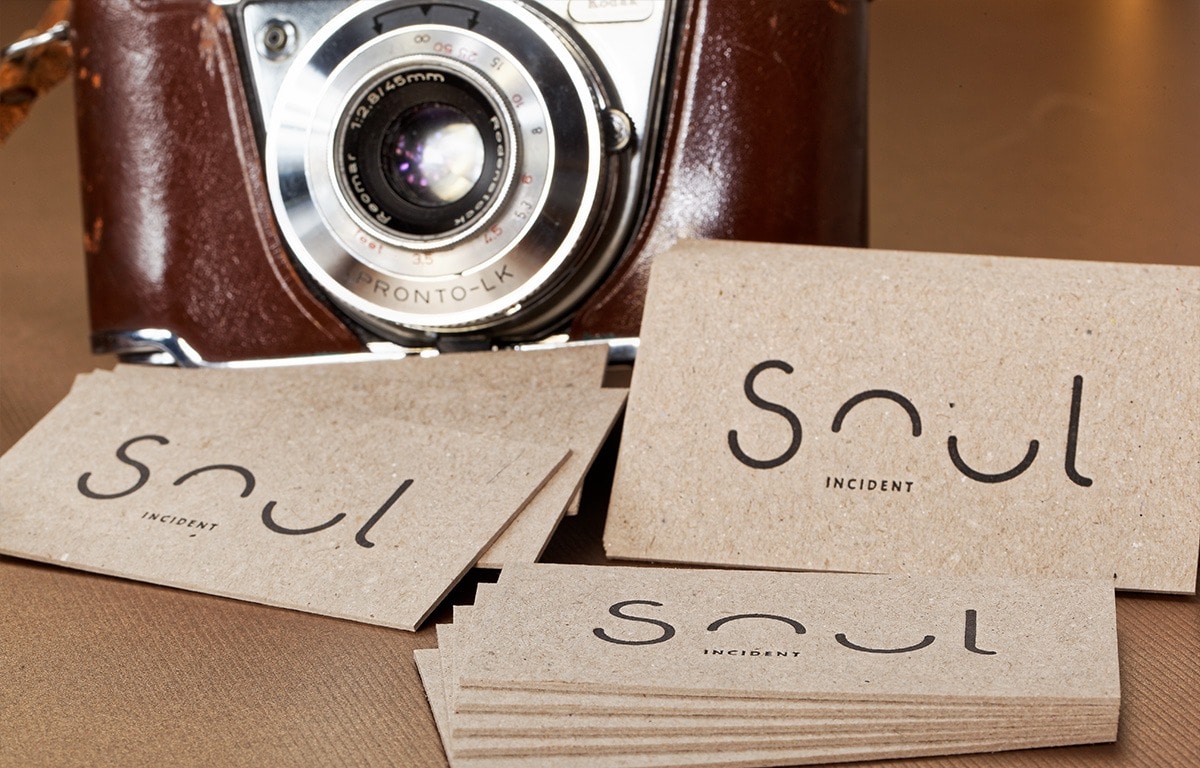
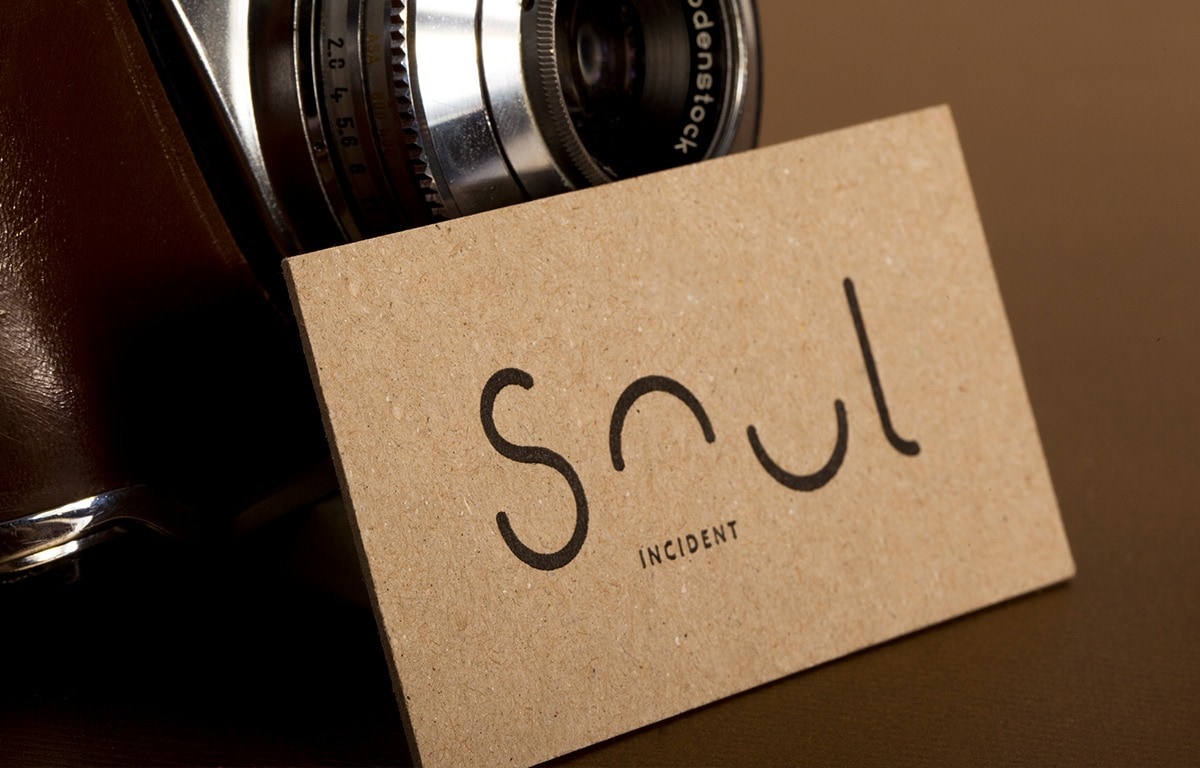
A natural beige or speckled appearance can communicate material character, but appearance is not proof of recycled content. Environmental statements should follow the current technical sheet for the named board.
For any recycled-board option, we identify the supplier, product name, weight or thickness, recycled content and relevant certification before the order is confirmed.

WHAT IT CHANGES
Fibre, tone and variation remain visible.
The board contributes a background colour and texture before any ink or finish is added.
01
A warmer base
Natural and grey recycled boards shift printed colour and white space away from the appearance of a bright white sheet.
02
Visible material
Fibre and small surface variations can be treated as part of the design rather than as defects to hide.
03
Opaque contrast
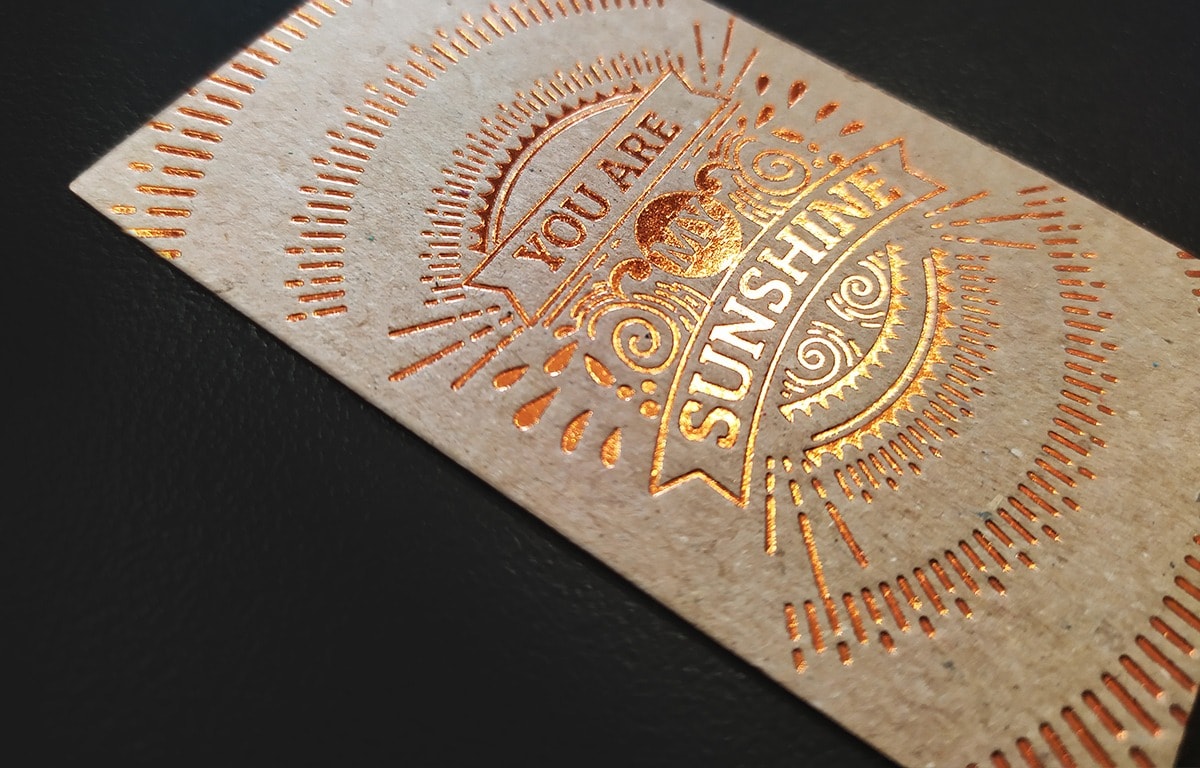
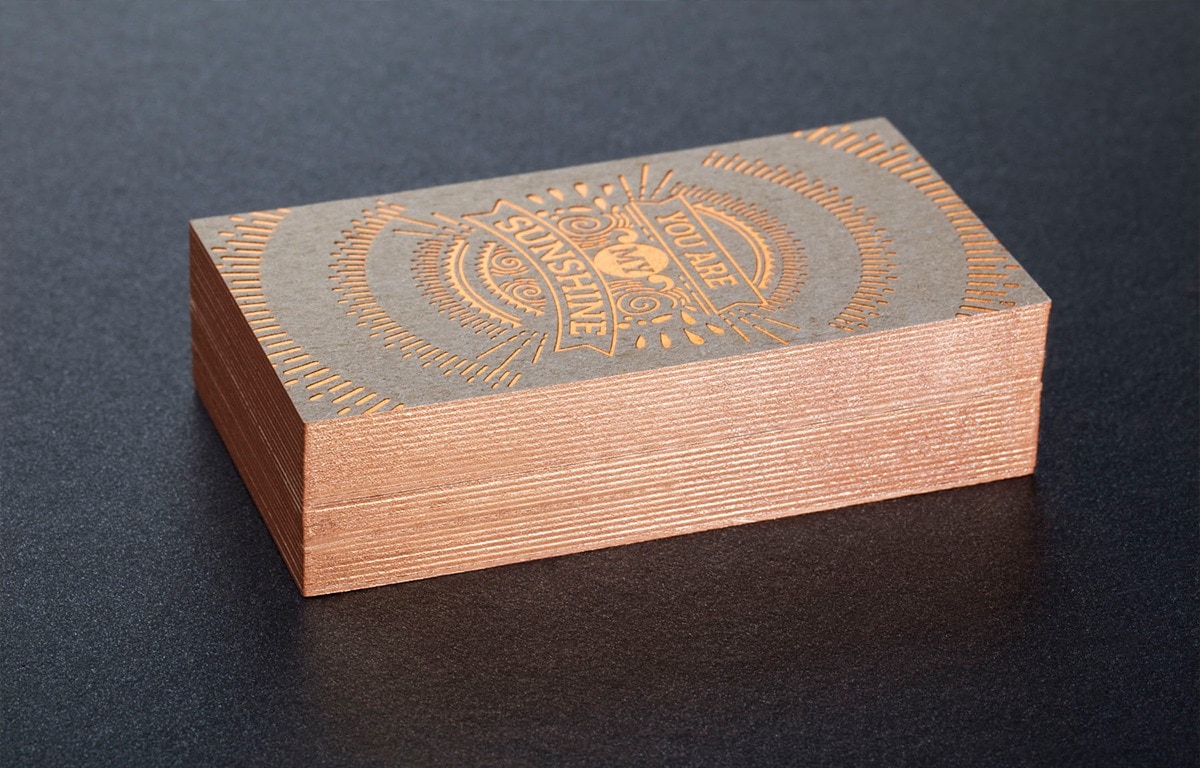
Foil or another tested opaque process can provide clear contrast where transparent ink would be influenced by the board colour.
WHEN TO USE IT
Best when the material claim is specific.
Choose a recycled board when its verified composition and visual character genuinely support the project. The environmental language should be as carefully designed as the card itself.
A muted or fibrous surface may suit simple ink, letterpress, foil or edge colour. Detailed photography and very small type need evaluation against the exact shade and texture.
CONSIDER BEFORE CHOOSING
- Record the manufacturer, product, recycled percentage and certification.
- Natural shade changes how transparent ink colours are perceived.
- Surface variation may influence fine print and specialist finishing.
- Availability and batch consistency must be checked before promising repeat work.
ARTWORK PREPARATION
Design with the board colour visible.
Prepare printed and specialist-finish layers separately, with the normal bleed and safe area. Do not use a white screen background as a prediction of colour on natural board.
If a light or opaque mark is essential, identify it clearly and let us recommend an appropriate process. Keep fine type and detailed images realistic for the selected surface.
FINISHED WORK
The board should remain recognisable.
Print and finishing work best when they respond to the natural shade rather than trying to disguise it.
CHOOSE YOUR ROUTE
Move from understanding to choosing.
Use the collection or selector for established options. Expert Recommendation is for artwork that needs the paper, process or construction narrowed first.
COLLECTION
Explore Luxury Business Cards
See the current material-led card options, then confirm the exact recycled board and evidence for your project.
EXPERT RECOMMENDATION
Verify the paper before the claim
Tell us the visual, environmental and finishing priorities. We will identify the exact stock evidence needed for the specification.
THE LUXURY SAMPLE PACK
Recycled boards should be compared physically.
Use the Sample Pack to judge shade, fibre, texture and printed contrast before selecting a board.