
LETTERPRESS BUSINESS CARDS
Letterpress business cards shaped by paper and pressure.
Letterpress presses inked artwork into an uncoated sheet, leaving colour and a physical impression. Choose recycled paperboard for visible fibre or ultra-thick white Sumo for a cleaner, deeper surface.
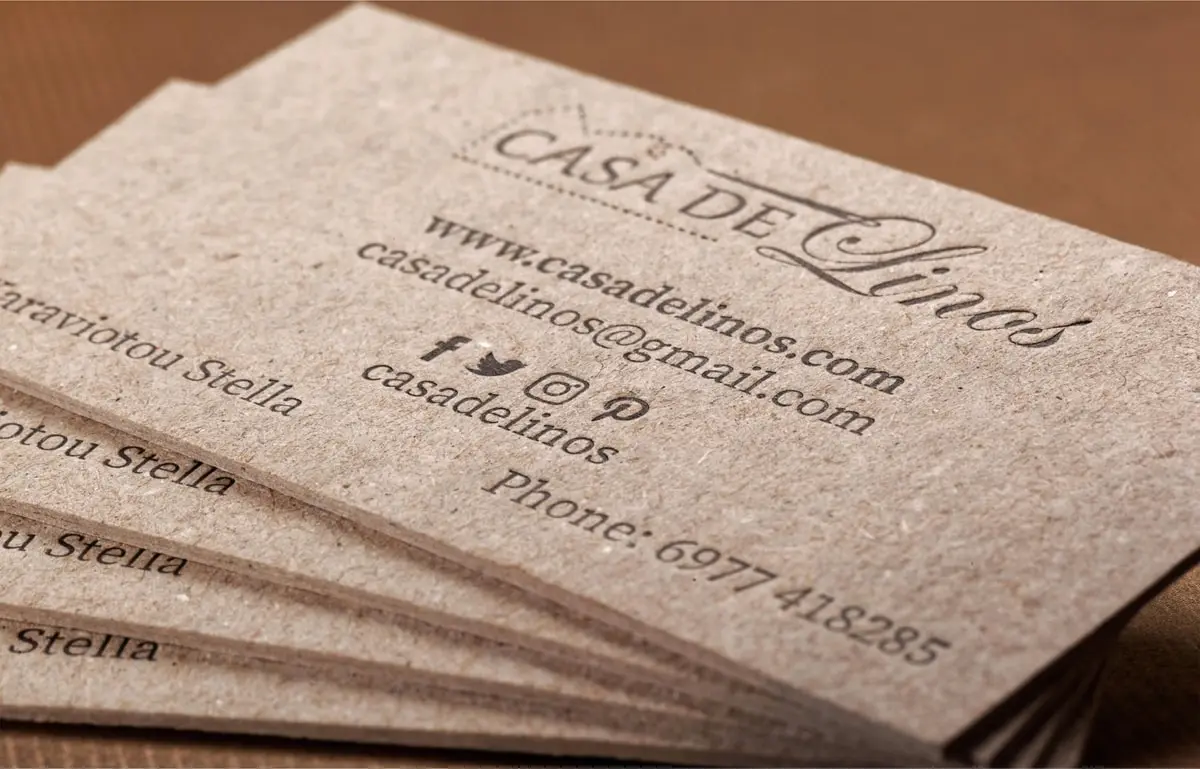
CASA DE LINOS · 510 GSM RECYCLED PAPERBOARD · TWO-SIDED BLACK LETTERPRESS
INK & IMPRESSION
A raised plate transfers ink while compressing selected areas of the paper.
UNCOATED PAPERS
Recycled paperboard and Favini Sumo preserve natural texture and visible relief.
ARTWORK REVIEW
Line weight, reverse-side interaction and impression depth are checked before production.
WHAT THE PROCESS DOES
Letterpress gives printed detail a controlled impression.
The plate carries a raised version of the artwork. Ink sits on that raised surface and transfers as the press brings the plate and paper together. The paper compresses where the plate makes contact, so the printed detail can be read by touch as well as colour.
Paper choice changes the character of that impression. Recycled paperboard keeps its fibres and warm colour visible. Favini Sumo White provides a dense, pale surface with more material available for relief. Very fine lines, large solids and two-sided impressions place different demands on the plate and sheet, so artwork is reviewed as part of the complete specification.
Blind impression uses the same pressure without ink. It can accompany hot foil on the products listed below, but it should not be mistaken for inked letterpress.
ONLINE PRODUCT ROUTES
Choose letterpress business cards by paper and finish.
The first three products use inked letterpress. The white Sumo alternatives pair hot foil with a separate blind impression when the design needs reflection and uninked relief instead.
RECYCLED PAPERBOARD · 510 GSM
Black letterpress on natural fibre
One restrained ink colour on a substantial uncoated board with its fibres and natural edge left visible.

WHITE SUMO · 1.5 MM
One-colour letterpress on ultra-thick white board
A clean uncoated surface with substantial depth for a typographic mark, pattern or restrained illustration.
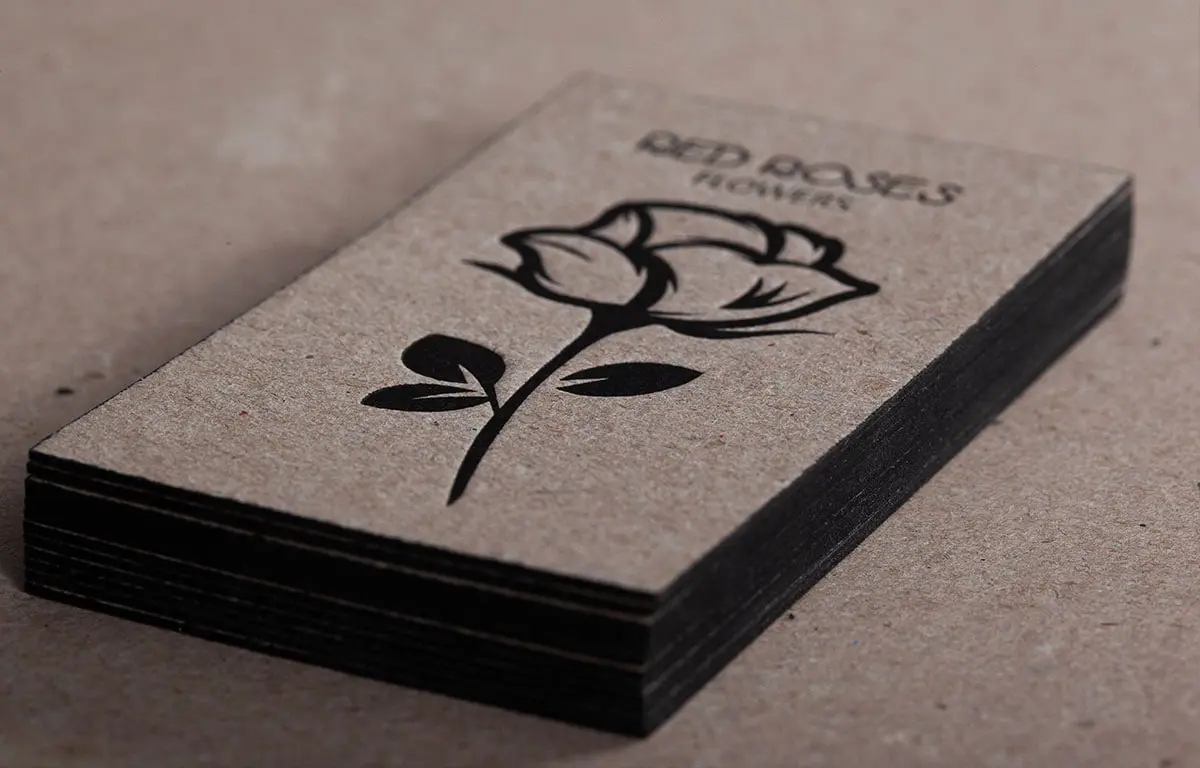
RECYCLED BOARD · PAINTED EDGE
Letterpress with a contrasting edge
Pressed ink and natural fibre on the faces, completed by one controlled colour around the card profile.
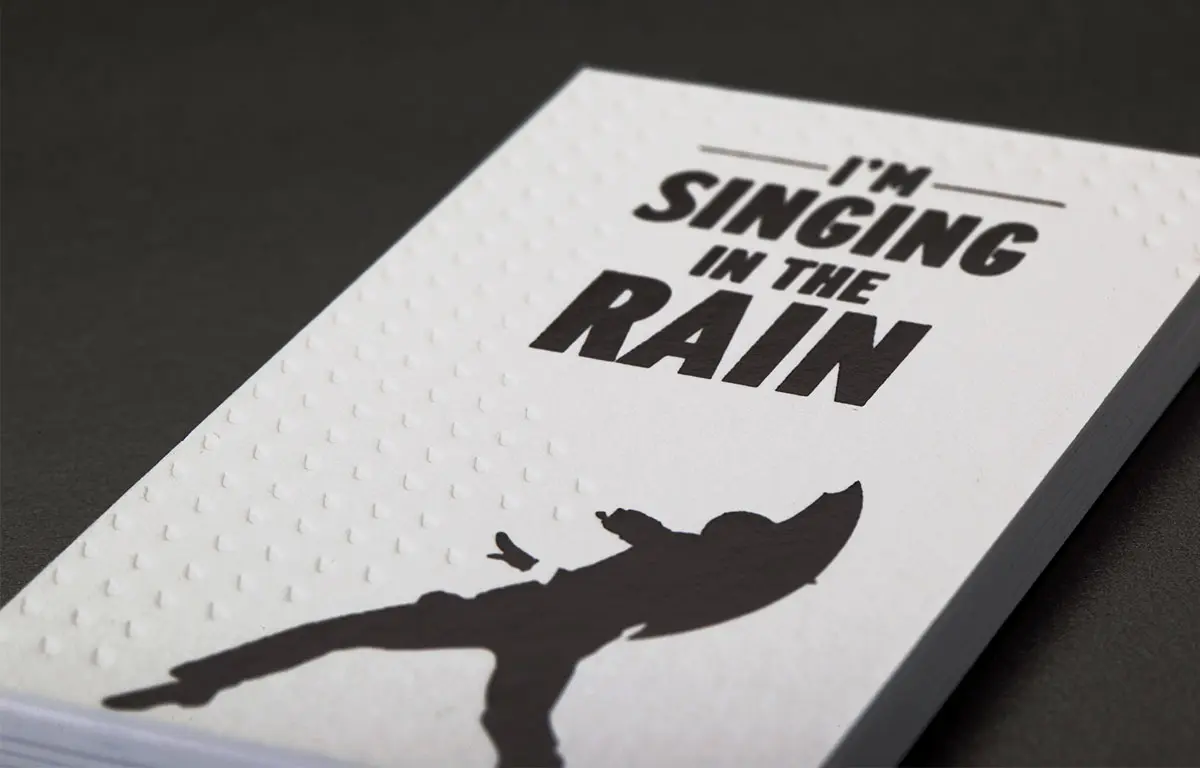
WHITE SUMO · 1 MM
Hot foil with blind impression
Reflective foil supplies colour while a second, uninked pass creates relief in the white board.
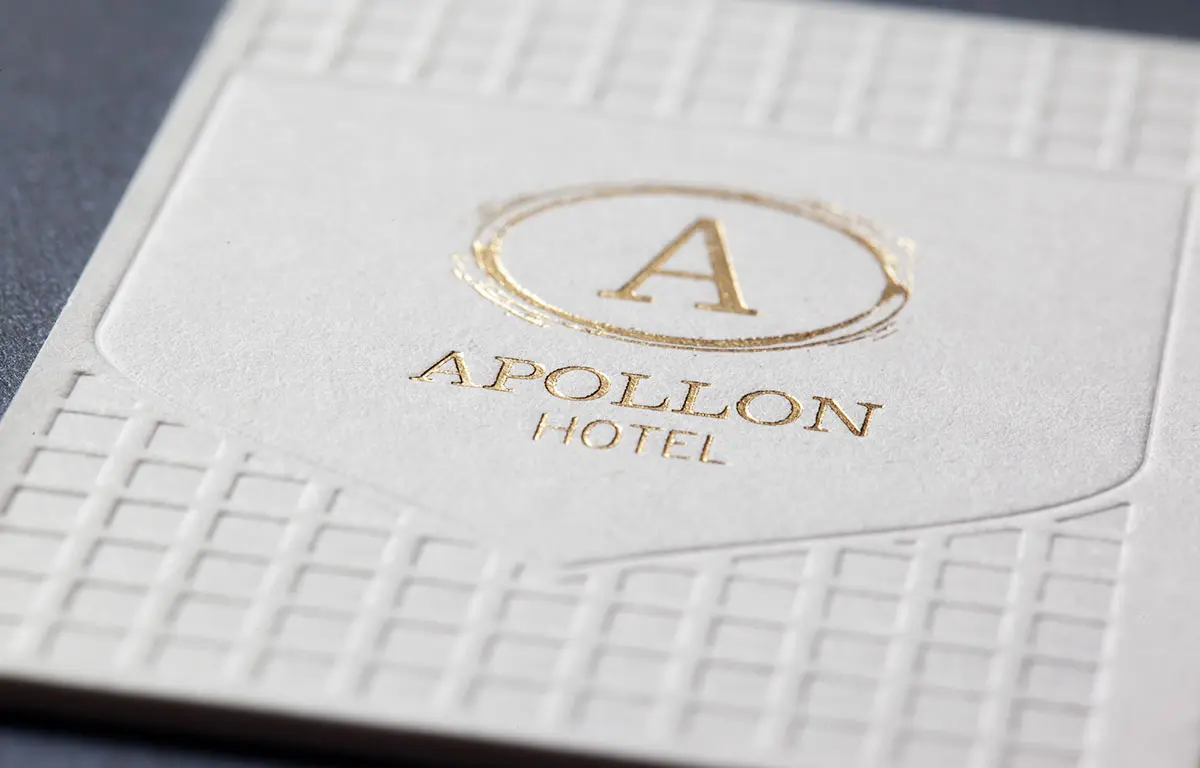
WHITE SUMO · 1.5 MM
Deeper blind impression with hot foil
The thicker white board gives the uninked detail more physical presence beside one foil colour.
ARTWORK DECISIONS
Design for the impression, not only the screen.
A letterpress plate needs solid vector artwork with enough space between details. The reverse side matters too: a forceful impression can affect the opposite face, especially when both sides contain closely aligned work.
Supply each ink colour, blind impression or foil operation as a clearly named separation. We check line weight, spacing, coverage and two-sided interaction before the files are approved.
CHECK BEFORE ORDERING
- Use vector artwork for every pressed operation.
- Keep fine lines and reverses open enough to reproduce.
- Plan front and reverse impressions together.
- Choose the paper before deciding the intended depth.
REAL PRODUCTION
See inked and blind impressions on finished cards.

CASA DE LINOS · FINISHED PROJECT
Two-sided black letterpress on recycled paperboard
The complete project records the 510 gsm paper, restrained ink choice and two-sided production decision.
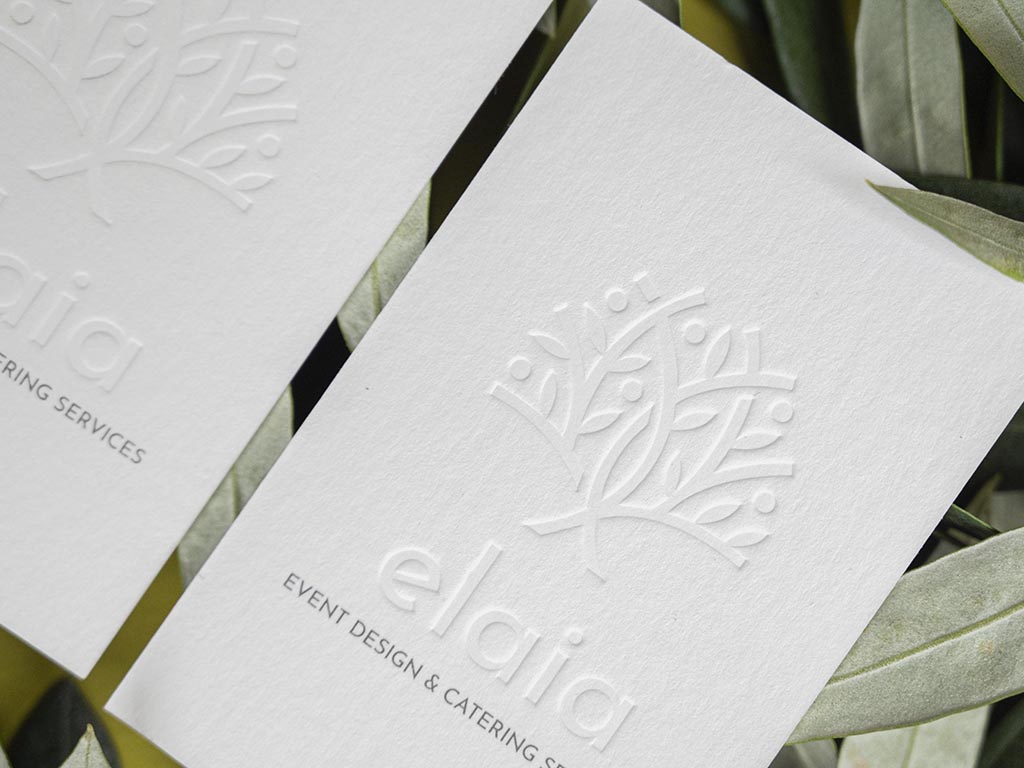
ELAIA · BLIND IMPRESSION
An uninked impression shaped by light and shadow
The tree is pressed into the white uncoated surface without ink, so the image appears through relief rather than colour.
NOT SURE WHICH PAPER FITS?
Start with the artwork and intended impression.
Send the design, quantity and paper preference. We will help distinguish inked letterpress, blind impression and a combination that needs a bespoke review.